
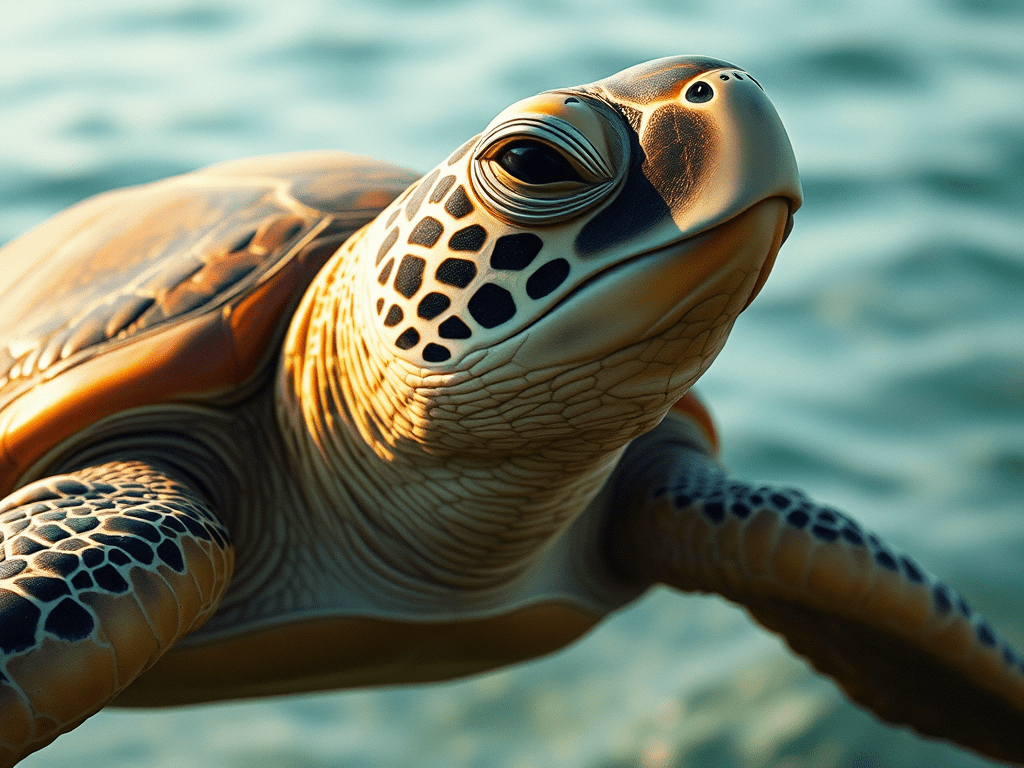
Sea turtles are among the most ancient and fascinating creatures on Earth. Having roamed the oceans for over 100 million years, they have outlived the dinosaurs and witnessed the dramatic shifts of our planet’s history. However, despite their resilience, all seven species of sea turtles are now facing threats that could drive them to extinction. Conservation efforts are crucial to ensure these remarkable animals continue to thrive for generations to come.

Sea turtles play a vital role in maintaining the health of marine ecosystems. They help control jellyfish populations, contribute to nutrient cycling, and support the overall balance of marine habitats. For instance, green sea turtles graze on seagrass beds, keeping them healthy and productive, which in turn supports species like fish, crustaceans, and other marine life. Their nesting behavior also transfers vital nutrients from the ocean to coastal ecosystems, nourishing plant life that stabilizes beaches and prevents erosion.
Despite their ecological importance, sea turtles are under immense pressure from various human activities. The main threats include habitat destruction, climate change, bycatch, pollution, and poaching.
Coastal development, such as the construction of hotels, roads, and homes, disrupts and destroys nesting beaches, making it difficult for female turtles to find suitable sites to lay their eggs. Artificial lighting from these developments can disorient hatchlings, leading them away from the sea and toward potential dangers.
Rising global temperatures are affecting sea turtles in several ways. Warmer sand temperatures can skew the sex ratio of hatchlings (with higher temperatures producing more females), potentially leading to a lack of males in future populations. Additionally, rising sea levels and stronger storms can erode nesting beaches, reducing the available habitat for nesting.
Thousands of sea turtles are accidentally caught and killed in fishing gear every year. Longlines, trawls, and gillnets are particularly dangerous, as turtles become entangled and drown when they cannot reach the surface to breathe.
Marine pollution, especially plastic debris, poses a significant threat to sea turtles. Turtles often mistake plastic bags and other debris for jellyfish, one of their favorite foods. Ingesting plastic can block their digestive system and lead to death. Additionally, oil spills and toxic chemicals can contaminate their habitats, affecting their health and reproductive success.
Despite international protections, sea turtles are still hunted for their shells, meat, and eggs. The illegal trade of turtle products remains a lucrative market, especially in parts of Asia, where turtle shell jewelry and ornaments are highly sought after.
Given the wide range of threats facing sea turtles, conservation efforts must be equally diverse and comprehensive. Key strategies include protecting nesting sites. Many organizations and governments work to protect critical nesting beaches by establishing protected areas, restricting development, and reducing artificial lighting. In some cases, conservationists relocate nests to safer locations to ensure hatchlings have the best chance of survival.
Innovations in fishing gear, such as turtle excluder devices (TEDs) in trawl nets and circle hooks in longline fisheries, have proven effective in reducing turtle bycatch. Educating and working with fishing communities to adopt these practices is essential for minimizing turtle mortality.
Rescue centers and rehabilitation facilities play a crucial role in saving injured or sick turtles. These centers provide medical care and a safe environment for recovery before the turtles are released back into the wild.
Raising awareness about the plight of sea turtles is vital for garnering public support for conservation efforts. Educational programs, documentaries, and campaigns help inform people about the importance of sea turtles and the steps they can take to protect them, such as reducing plastic use and supporting sustainable seafood choices.
Strong laws and international agreements, such as the Convention on International Trade in Endangered Species of Wild Fauna and Flora (CITES), are crucial for protecting sea turtles from exploitation. Effective enforcement of these laws, along with efforts to combat illegal trade, is necessary to ensure their survival.
Individuals can make a difference in sea turtle conservation by reducing plastic use supporting conservation organizations, making responsible seafood choices by choosing seafood from sustainable sources that minimize bycatch, and spreading awareness by share information about sea turtle conservation with friends, family, and your community.
Sea turtles are more than just fascinating creatures; they are vital components of marine ecosystems and symbols of our planet’s ancient history. Their conservation is a global responsibility, requiring cooperation and commitment from individuals, communities, and governments. By protecting these ancient mariners, we not only preserve a critical part of our natural heritage but also contribute to the health and resilience of the oceans, which are essential for life on Earth
#SeaTurtle #Conservation #Adidas #ShellToe #Superstar #ocean




 World Todai
Leave a comment