
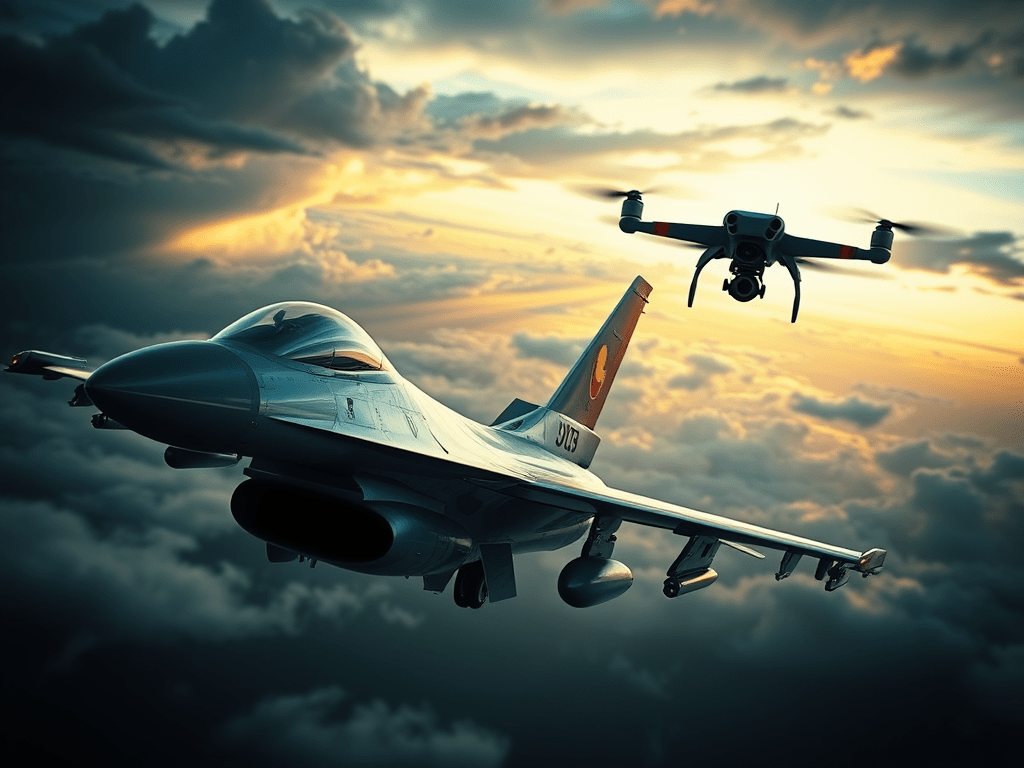
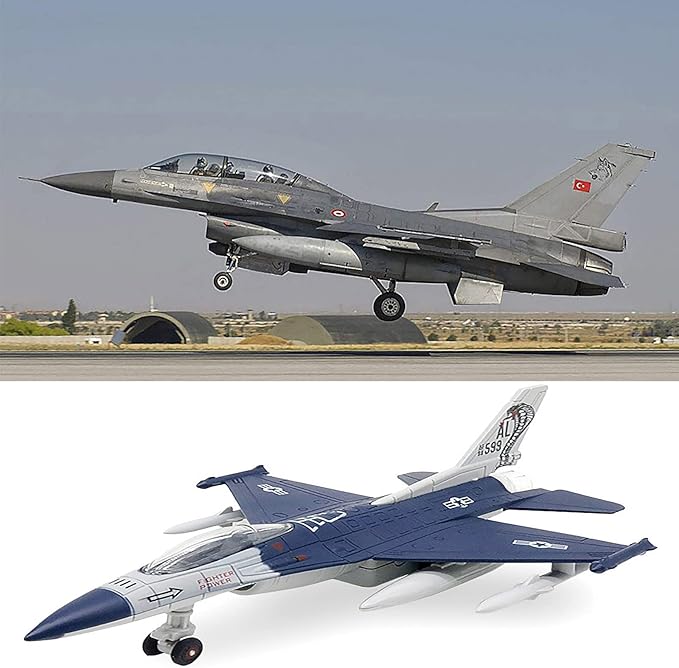
The F-16 Fighting Falcon is one of the most iconic fighter jets ever produced. Developed by General Dynamics (now Lockheed Martin) in the 1970s, the F-16 has been a key component of the United States Air Force and numerous allied air forces around the world. Its combination of speed, maneuverability, and multi-role capability has made it a versatile and enduring aircraft, playing crucial roles in both air combat and ground-attack missions.
Affordable precision flight
The F-16’s origins can be traced to the early 1970s, during the Cold War, when the U.S. Air Force was seeking a lightweight, cost-effective fighter to complement the more complex and expensive F-15 Eagle. The initiative began under the Lightweight Fighter (LWF) program, which sought to create a high-performance, affordable aircraft that could deliver excellent dogfighting capabilities. The F-16 was selected over the Northrop YF-17 after a competitive fly-off.

The F-16 is a multi-role fighter, meaning it can perform a variety of combat missions, from air superiority and interception to ground-attack and close air support. It was designed to be a cost-effective aircraft capable of day/night operations in nearly all weather conditions.
Since entering service in 1978, the F-16 has seen extensive combat across multiple theaters of war. It played a crucial role in Operation Desert Storm (1991), where it was used for both air superiority and ground-attack missions. It has also been widely employed in Operation Allied Force (1999) over Kosovo, Operation Enduring Freedom in Afghanistan, and Operation Iraqi Freedom.

I’d rather BE FLYING
The F-16 made its first flight on February 2, 1974, and quickly became known for its innovative design, especially its “fly-by-wire” control system—one of the first fighter jets to incorporate this technology. Fly-by-wire uses electronic systems to relay pilot inputs to the aircraft’s control surfaces, allowing for faster, more precise responses and enabling the jet’s inherent instability (designed for agility) to be more easily controlled by the pilot. This innovation, along with its lightweight frame and single-engine design, gave the F-16 a significant edge in air-to-air combat.
The F-16 has not only been used by the United States but also by over 25 other countries, making it one of the most exported fighter jets in the world. Israel, one of the largest foreign operators of the F-16, has used it extensively in conflicts throughout the Middle East, often modifying the jet to suit their specific needs.

For everyday and for travel
One of the key reasons for the F-16’s widespread success is its affordability and adaptability. While it was originally conceived as a lightweight fighter, it quickly evolved into a true multi-role platform. Its affordability allowed many allied nations to acquire modern fighter aircraft without breaking defense budgets, and its ease of maintenance has made it attractive for long-term use.
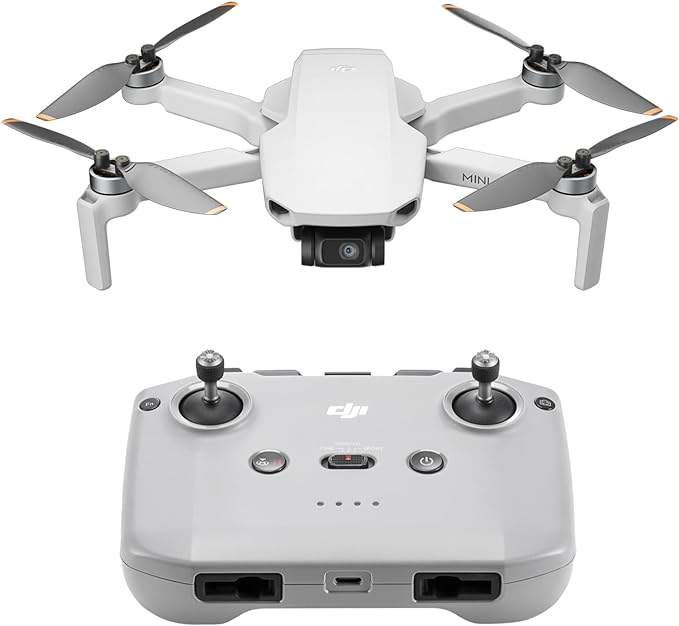
If the F-16 Flying Falcon is capable of fly-by-wire, then the jet can easily and affordably be retrofitted with remote inputs to the flight computer. The old fighter can be the new drone.
#F-16 #FightingFalcon #Ukraine #LockeedMartin# #Drone #DJI #fly-by-wire #thunderbirds #pilot




 World Todai
Leave a comment