
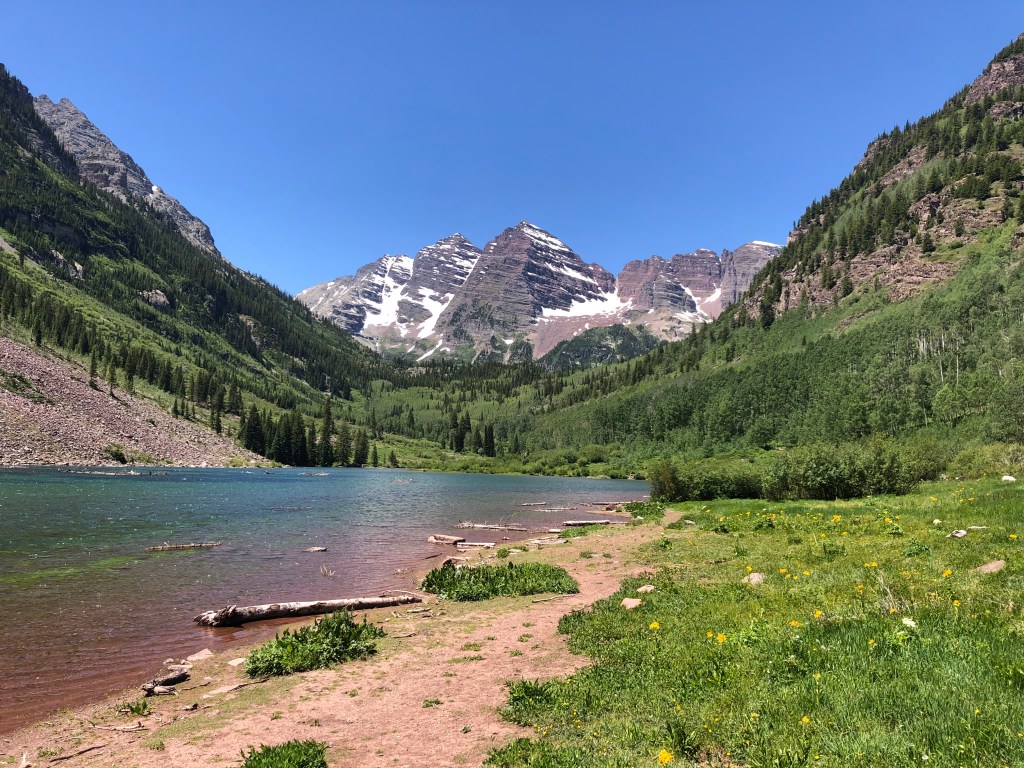
Colorado is home to 58 mountain peaks that rise above 14,000 feet in elevation, known as “Fourteeners” among hiking enthusiasts. These towering giants provide some of the most scenic and challenging hikes in North America, offering breathtaking views, varying degrees of difficulty, and a deep connection to the rugged beauty of the Rockies. Whether you’re a beginner seeking a memorable outdoor experience or an expert mountaineer looking for a thrilling challenge, Colorado’s Fourteeners have something to offer everyone.
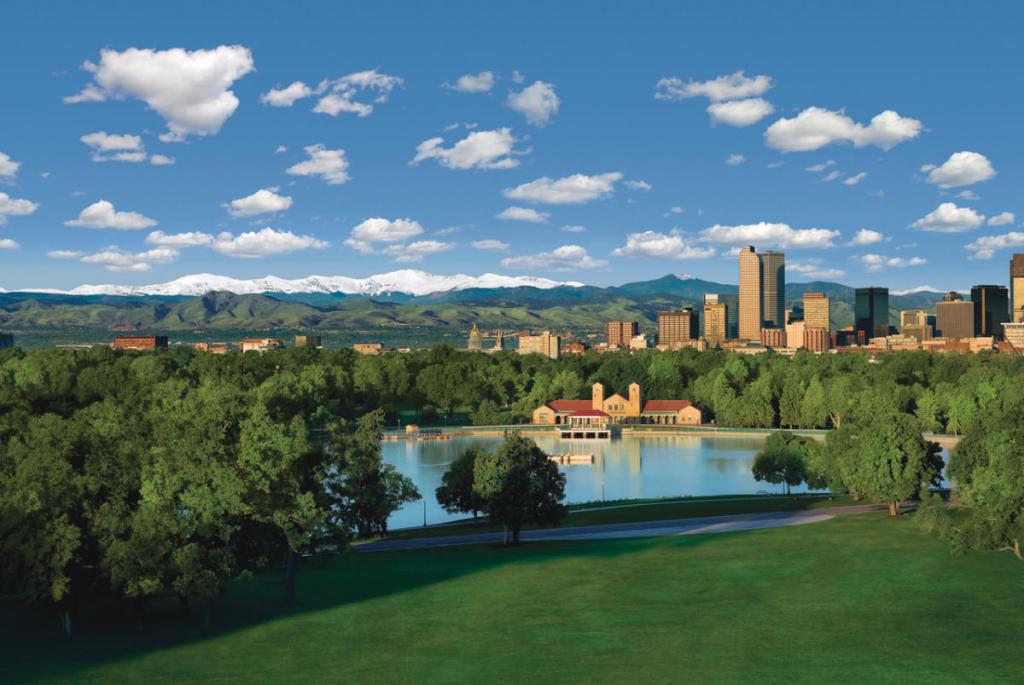
Colorado’s Fourteeners offer a wide range of difficulty levels, from easy and accessible routes for beginners to technical climbs that require advanced mountaineering skills.
For those just starting out, there are several easier trails with well-marked paths and moderate inclines. These peaks are perfect for those who want to experience the grandeur of a Fourteener without extensive technical skills.
Mount Bierstadt (14,065 feet) is located near Denver, this popular hike is known for its accessibility and gentle terrain. The 7-mile round-trip trail follows a well-defined path through alpine meadows and provides stunning views of nearby peaks. The elevation gain is steady but manageable, making it a great introduction to Colorado’s high-altitude hiking.
Grays Peak (14,270 feet) and Torreys Peak (14,267 feet) are neighboring peaks can be hiked in a single day via the Grays and Torreys Trail. The path is non-technical, making it a favorite for first-time Fourteener hikers. While the trail does get steep in sections, the sweeping views of the surrounding valleys and mountains make the effort worthwhile.
For those with some hiking experience and looking to test their endurance, the intermediate Fourteeners provide a more strenuous adventure. These hikes usually involve longer distances, more significant elevation gains, and occasional rock scrambling.
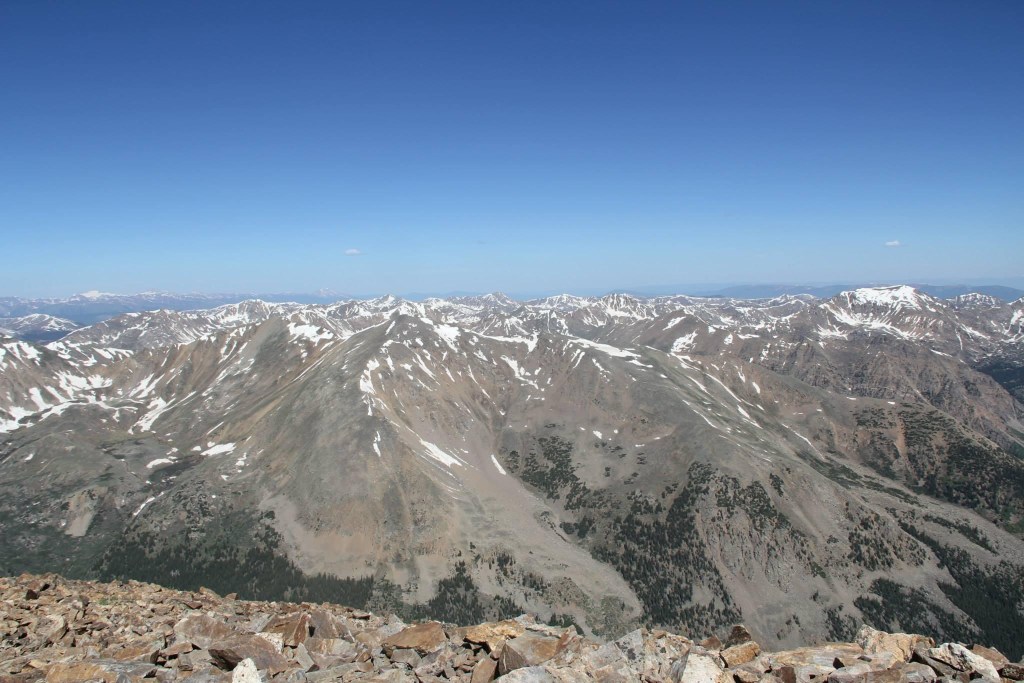
Mount Elbert (14,433 feet) is the highest peak in Colorado and the second-highest in the contiguous U.S., Mount Elbert offers a challenging yet non-technical ascent. The most popular route, the Northeast Ridge, is 9 miles round-trip, with an elevation gain of over 4,500 feet. The trail climbs steadily through forests and alpine tundra, culminating in expansive views from the summit that stretch across the Rockies.
Mount Massive (14,421 feet) is just west of Leadville, Mount Massive is the second-highest peak in Colorado, offering a slightly longer and more demanding trek than Mount Elbert. The 13.6-mile round-trip trail takes hikers through wildflower-strewn meadows and rocky ridges. The multiple summits of the mountain give a sense of accomplishment before reaching the true peak.

For seasoned hikers and mountaineers, Colorado’s Fourteeners offer some of the most technical and demanding climbs in the lower 48 states. These peaks often require rock climbing, route-finding, and a solid understanding of mountain safety.
Capitol Peak (14,130 feet) is widely regarded as one of the most difficult Fourteeners, Capitol Peak’s summit requires technical rock climbing and exposure to significant drop-offs. The infamous “Knife Edge” ridge is a narrow, rocky section that tests both mental and physical endurance. Capitol Peak is not for the faint of heart but rewards those who conquer it with a sense of unparalleled achievement.

Little Bear Peak (14,037 feet) Another peak that demands advanced climbing skills, Little Bear Peak is known for its steep and exposed routes. The ascent through the “Hourglass” section involves navigating loose rock and requires caution. This Fourteener is considered one of the more dangerous in the state, so it is crucial to prepare adequately and take necessary safety precautions.
No matter the difficulty, one thing all of Colorado’s Fourteeners have in common is their incredible natural beauty. As hikers ascend, they traverse diverse landscapes that showcase the best of Colorado’s wilderness.

Many trails start in lush valleys filled with vibrant wildflowers, streams, and grassy meadows. In the summer months, the trails come alive with the colors of columbine, Indian paintbrush, and lupine.
Below the tree line, hikers often pass through dense pine and aspen forests. The crisp mountain air and serene surroundings add a peaceful ambiance to the ascent.
As hikers climb above the tree line, the terrain becomes more rugged, with jagged rocks and expansive ridges leading the way to the summit. The air grows thinner, and the panoramic views become even more dramatic. From the top of a Fourteener, hikers are rewarded with 360-degree vistas of endless mountain ranges, shimmering alpine lakes, and rolling valleys.
It’s not uncommon to spot wildlife along the trails, including marmots, mountain goats, and elk. The higher elevations are home to a unique ecosystem, offering glimpses of animals that thrive in the rugged environment.
While the beauty and adventure of Colorado’s Fourteeners are unmatched, hikers should be prepared for the challenges that come with high-altitude hiking. Weather in the mountains can change quickly, and it’s essential to start early to avoid afternoon thunderstorms, which are common in the summer months. Adequate gear, including layers for warmth, sunscreen, and plenty of water, is crucial for a successful summit.
For those new to Fourteeners, it’s advisable to begin with some of the easier peaks to acclimate to the altitude and gain hiking experience. As with any mountain adventure, safety should always be a priority.
Colorado’s 58 Fourteeners offer a lifetime of adventure, with hikes ranging from easy day trips to multi-day technical climbs. Whether you’re drawn by the challenge of reaching the summit or simply want to experience the awe-inspiring beauty of the Rockies, these peaks are a testament to the majesty of the natural world. From the novice to the expert, Colorado’s Fourteeners promise an unforgettable journey through some of the most scenic and diverse landscapes in the United States.
#Colorado #14er #pikespeak #elbert #blackdiamond #daypack #epic




 World Todai
Leave a comment